

Introduction: The Peptide Dilemma in Modern Formulation
The global shift toward plant-based nutrition has created a fascinating crossroads for functional food and supplement formulators. On one side stands collagen peptide, the established powerhouse of beauty-from-within and joint health. On the other, pea protein peptide emerges as a versatile, plant-based alternative that challenges the animal-derived status quo .
For B2B buyers-whether developing vegan gummies, clear protein beverages, or hybrid beauty-supplement formulas-the choice is not simply about replacing one ingredient with another. It is about understanding consumer trends, formulation constraints, and the unique selling propositions each peptide brings to the final product.
Defining the Contenders: Beyond "Protein"
What Is Collagen Peptide?
Collagen peptides are derived from animal sources-typically bovine, marine, or poultry-through enzymatic hydrolysis. They consist primarily of the amino acids glycine, proline, and hydroxyproline, which are associated with skin elasticity, joint mobility, and gut lining integrity . However, collagen is an incomplete protein, lacking the essential amino acid tryptophan and containing very low levels of branched-chain amino acids (BCAAs). This makes it suboptimal for muscle protein synthesis on its own .
What Is Pea Protein Peptide?
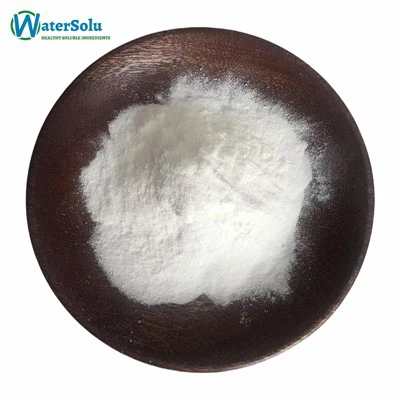
Pea protein peptide is produced by breaking down pea protein isolate through controlled enzymatic hydrolysis, yielding small-molecular-weight peptides typically under 1000 Daltons . Unlike collagen, pea peptide is a complete plant protein, containing all nine essential amino acids, including a robust BCAA profile (leucine, isoleucine, valine) that supports muscle repair and recovery . Its high solubility, neutral flavor, and low viscosity make it ideal for clear beverages and gummies-formats where traditional pea protein would precipitate or taste bitter .
Head-to-Head Comparison for B2B Product Development
To make an informed sourcing decision, buyers must evaluate these ingredients across critical commercial dimensions.
Source and Consumer Perception
| Dimension | Pea Protein Peptide | Collagen Peptide |
|---|---|---|
| Source | Plant-based (non-GMO yellow peas) | Animal-derived (bovine, marine, poultry) |
| Consumer Trend | Vegan / clean label / allergen-friendly | Beauty nutrition / traditional wellness |
| Sustainability | Lower environmental footprint | Higher resource intensity |
The vegan collagen market, projected to grow at a remarkable 28.5% CAGR to reach $790 million by 2031, underscores the urgent demand for plant-based alternatives . For beauty supplement brands and gummy manufacturers targeting millennials and Gen Z, a pea peptide product can be marketed as a vegan collagen alternative-a powerful positioning that animal-derived collagen cannot claim .
Nutritional and Functional Profile
| Dimension | Pea Protein Peptide | Collagen Peptide |
|---|---|---|
| Protein Type | Complete protein (all EAAs) | Incomplete protein |
| BCAA Content | High (muscle support) | Negligible |
| Absorption | Rapid (<1000 Da) | Rapid (variable) |
| Solubility | Excellent in cold water, clear solution | Good, may haze |
| Formulation Versatility | Wide pH range, heat stable | Heat sensitive |
For sports nutrition buyers, a plant-based peptide supplement containing pea peptides offers the dual benefit of fast absorption for recovery and complete nutrition for muscle synthesis-something collagen cannot provide . Meanwhile, for functional beverage companies, the clear solubility of hydrolyzed pea protein peptide enables transparent protein waters and ready-to-drink formulations that collagen cannot easily achieve .
Emerging Trend: Can Plant-Based Peptides Enter the Beauty-From-Within Market?
This is the pivotal question for brands looking to capture the fast-growing nutricosmetics space, valued at $7.5 billion in 2025 and projected to reach $18.1 billion by 2036 .
+
The Mechanism: How Pea Peptide Supports Beauty
Unlike collagen, which directly provides the building blocks for skin, pea protein peptide works through a different mechanism. It provides a rich source of amino acids that serve as precursors for the body's own collagen synthesis. When combined with co-factors like vitamin C, the plant-based collagen booster effect can be marketed as supporting the skin from within, without the ethical or allergen concerns of animal sources .
Application Examples for B2B Clients
vegan beauty supplements: Formulate capsules or powders that combine pea peptide with hyaluronic acid and vitamin C to promote skin hydration and elasticity .
plant-based collagen alternative: Position pea peptide gummies or RTD shots as a direct competitor to bovine collagen, highlighting the vegan and sustainable angle .
hybrid formulas: Blend pea peptide with marine collagen to create a "best of both worlds" product that appeals to flexitarian consumers .
Strategic Recommendations for B2B Buyers
The choice between pea protein peptide and collagen peptide ultimately depends on your target market and product format.
| Customer Type | Recommended Ingredient | Key Rationale |
|---|---|---|
| Sports Nutrition Brands | Pea Protein Peptide | Complete protein, BCAA content, rapid absorption |
| Beauty Supplement Brands (Vegan) | Pea Protein Peptide | Vegan label, collagen synthesis support |
| Functional Beverage Makers | Pea Protein Peptide (Clear Grade) | High solubility, neutral taste, clear solution |
| Beauty Supplement Brands (Conventional) | Collagen Peptide | Direct skin/joint benefits, established consumer education |
For gummy manufacturers, pea peptide offers an attractive advantage: its heat stability and neutral flavor profile integrate seamlessly into gummy matrices without requiring heavy flavor masking, unlike animal-based collagen which can impart off-notes. For more insights on sourcing strategies for these ingredients, you can refer to B2B supplier guides that outline supplier evaluation criteria .
Conclusion: The Future Is Plant-Forward
While collagen peptide remains a potent and proven ingredient for beauty and joint health, its animal-derived nature creates a growing market gap. Pea protein peptide is not merely a "vegan collagen substitute"-it is a complete, functional protein with its own unique benefits for muscle recovery, formulation versatility, and ethical positioning.
For B2B buyers looking to future-proof their product lines, especially in the booming plant-based supplement market , incorporating a high-quality hydrolyzed pea protein peptide from a certified manufacturer offers a strategic advantage. It enables brands to speak directly to the conscious consumer, offering science-backed efficacy without compromise.
Ready to Explore Pea Protein Peptide for Your Next Formulation?
Choosing the right peptide ingredient is a critical decision that impacts your product's performance, label appeal, and cost structure. While this comparison provides a solid foundation, every formulation project has unique requirements-whether it's a specific solubility threshold, a custom peptide content, or a hybrid blend with other functional ingredients.
We invite you to start a no-obligation conversation with our technical team. We can share formulation insights, provide documentation (COA, allergen statements, stability data), and even send a small sample batch for your own R&D testing.
📩 Email: info@watersolu.com
📱 WhatsApp: +86 17396654828
References
1.Le-Nutra. (2026). Pea Peptide Applications in Supplements & Functional Foods. Retrieved from http://m.lenutra.com/info/pea-peptide-applications-in-supplements-func-103405707.html
2.Research and Markets. (2025). Vegan Collagen Market - Global Forecast 2025-2032. Retrieved from https://www.researchandmarkets.com/reports/6055186/vegan-collagen-market-global-forecast
3.Velyamov, M., Urazbayev, Z., Velyamov, S., Bakytzhan, T., & Abitbekova, A. (2025). Development of technology for producing protein hydrolysates from leguminous plants (peas) for sports nutrition. Scifood, 19, 79-95. https://doi.org/10.5219/scifood.6
4.McKendry, J., Lowisz, C. V., Nanthakumar, A., MacDonald, M., Lim, C., Currier, B. S., & Phillips, S. M. (2024). The effects of whey, pea, and collagen protein supplementation beyond the recommended dietary allowance on integrated myofibrillar protein synthetic rates in older males: a randomized controlled trial. The American Journal of Clinical Nutrition, 120(1), 34-46. https://doi.org/10.1016/j.ajcnut.2024.05.009
5.Deep Market Insights. (2025). Vegan Collagen Market Size, Share & Growth Report | 2031. Retrieved from https://deepmarketinsights.com/report/vegan-collagen-market-research-report
6.HTF Market Intelligence. (2025). Global Plant-Based Collagen Market Comprehensive Study 2025-2033. Retrieved from https://www.htfmarketintelligence.com/report/global-plant-based-collagen-market
7.MarketGlass Inc. (2025). Vegan Collagen Market Report. Retrieved from https://www.marketresearch.com/Market-Glass-Inc-v1039/Vegan-Collagen-42749007/
6Wresearch. (2025). Global Plant-Based Collagen Supplement Market (2025-2031) | Trends, Outlook & Forecast. Retrieved from https://www.6wresearch.com/industry-report/global-plant-based-collagen-supplement-market