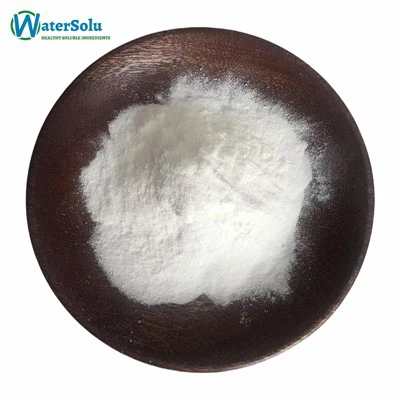


If you've been sourcing pine bark extract for your supplement line, you've probably seen dozens of suppliers claim "95% OPC pine bark extract" on their spec sheets. But here's the uncomfortable truth the industry doesn't talk about enough: when independent labs re-test these products using rigorous methods, many samples come back showing actual proanthocyanidins content 20–40% lower than what's printed on the COA. If you're trying to find the best pine bark extract for your formulation, understanding why this gap exists - and how to catch it before you sign a purchase order - could save your brand from a costly quality failure.
The Hidden Problem Behind "95% OPC" Labels
Why OPC Quantification Varies So Widely?
Not all OPC testing methods are created equal. The most common shortcut in the industry is a simple colorimetric assay (often the DMAC or vanillin method), which reacts broadly with flavonoid-type compounds - not just the specific proanthocyanidins found in genuine pine bark. This means a supplier can blend in cheaper, polyphenol-rich fillers like grape seed byproduct or even synthetic tannins, and the colorimetric test will still report a high number. The result: a pine bark extract 95% OPC label that looks impressive on paper but doesn't reflect the actual bioactive compound profile a formulator is paying for.
A Real-World Gap Between Label Claims and Lab Results
Independent testing programs have repeatedly documented this gap. Industry surveys conducted by third-party botanical testing labs have found that when pine bark and grape seed extracts labeled at 90–95% OPC are re-analyzed using UHPLC-based methods rather than colorimetric assays, actual proanthocyanidin content in a meaningful share of samples falls well below the labeled value - in some documented cases by 20 to 40 percentage points. The discrepancy isn't always intentional fraud; sometimes it reflects a supplier using an outdated or overly broad colorimetric OPC test method that simply cannot distinguish genuine pine bark proanthocyanidins from other polyphenol classes present in cheaper botanical fillers.
This is precisely why regulatory and industry watchdog groups - including the Botanical Adulterants Prevention Program (BAPP), jointly run by the American Botanical Council, American Herbal Pharmacopoeia, and the National Center for Natural Products Research - have specifically flagged pine bark extract as one of the proanthocyanidin-rich ingredients most frequently used as an adulterant in other botanicals (such as grape seed extract), and conversely, one that is itself vulnerable to substitution with even cheaper polyphenol sources. For a formulator, this means the risk runs in two directions: the pine bark extract you're buying could be diluted with fillers, or a "grape seed extract" you're buying elsewhere could secretly contain pine bark instead.
Common Adulteration Tactics in the Pine Bark Extract Supply Chain
In our experience working with pine bark extract manufacturers across multiple sourcing regions, the most frequent quality issues fall into three categories:
Species substitution - using lower-cost pine species or even non-pine bark material blended into the batch
Polyphenol spiking - adding inexpensive tannin-rich extracts to inflate colorimetric OPC readings
Selective testing - sending only the "golden batch" sample for third-party certification while shipping a different production lot
This is exactly why the question "is all pine bark extract the same" comes up so often in industry forums - because on paper, two products can look identical, while their actual bioactive content and traceability are worlds apart.
How to Identify a High-Quality Pine Bark Extract?
HPLC Fingerprinting vs. Colorimetric Assay
The single most reliable way to verify genuine proanthocyanidins content is HPLC fingerprint testing, which separates and quantifies individual oligomeric compounds rather than reacting broadly with all polyphenols. A trustworthy pine bark extract supplier should be able to provide an HPLC chromatogram, not just a colorimetric percentage, as part of their standard pine bark extract COA. If a supplier can only offer a single number without the underlying chromatographic data, that's worth a second look.
Species and Sourcing: French Maritime Pine vs. Other Pine Bark Sources
Sourcing region matters more than most buyers realize. French maritime pine bark extract (Pinus pinaster) is the species most clinical research and patented formulations are based on, thanks to its naturally higher and more consistent proanthocyanidins profile. However, other species - including Masson pine and radiata pine - are increasingly used as lower-cost alternatives. These aren't inherently inferior, but their OPC profile and bioavailability data differ, so species verification should always be part of your due diligence, especially if your label makes comparative claims.
Reading a Genuine Certificate of Analysis (COA)
A trustworthy pine bark extract COA should include:
The specific test method used (HPLC vs. colorimetric)
Batch-specific results, not a generic "typical values" sheet
Heavy metal and microbiological data tied to the same lot number
A traceable CAS number and botanical source declaration
If any of these elements are missing or vague, treat it as a signal to request further verification before committing to a bulk pine bark extract order.
A Buyer's Checklist Before You Source Pine Bark Extract
Questions to Ask Your Pine Bark Extract Manufacturer
Before finalizing any wholesale pine bark extract agreement, ask directly:
Can you provide an HPLC-based COA for this specific batch, not a general spec sheet?
What pine species and growing region does this extract originate from?
Can you supply an independent, third-party lab report alongside your internal COA?
Do you offer pre-shipment samples for our own OPC content testing?
Red Flags That Signal a Low-Quality Pine Bark Extract Supplier
Be cautious if a supplier:
Refuses to disclose their extraction ratio or solvent system
Cannot explain the difference between colorimetric and HPLC results
Offers pricing significantly below market average without a clear cost explanation
Provides COAs with inconsistent batch numbers or generic formatting across multiple products
What Happens When Adulterated Pine Bark Extract Reaches the Market?
The Downstream Risk for Finished-Product Brands
An inflated OPC number rarely stays hidden for long. Once a finished supplement reaches retail shelves - particularly in markets like the US, EU, or Australia where third-party ingredient verification is increasingly standard for major retailers - an underperforming batch can surface in one of several ways: a retailer's own quality audit, a competitor-funded lab test used for marketing leverage, or a regulatory spot-check tied to a health claim substantiation review.
Reformulation Costs Are Rarely the Only Cost
When this happens, the direct cost is rarely limited to reformulating a single batch. Brands often face retailer delisting while the issue is investigated, mandatory label and claims revisions if the substantiated OPC level no longer supports the original marketing language, and in more serious cases, a formal compliance inquiry if the product carries structure-function claims tied to cardiovascular or cognitive health. For brands operating in multiple markets, a single flagged batch can also trigger re-testing requirements across the entire product line - not just the affected SKU.
Why This Makes Supplier Verification a Pre-Purchase Decision, Not a Post-Problem Fix
This is the core argument for verifying OPC purity before a shipment is confirmed, not after a complaint arrives. A pre-shipment HPLC fingerprint report, cross-checked against an independent lab, costs a fraction of what a retailer delisting or label recall does - and it shifts the conversation with your supplier from "trust the COA" to "verify the batch," which is exactly the standard reputable pine bark extract manufacturers should be comfortable meeting.
Why Verified OPC Purity Matters for Your Formulation
For brands marketing cardiovascular, skin, or antioxidant support claims, the actual bioactive proanthocyanidins concentration directly affects both product efficacy and regulatory defensibility. An inflated OPC number might pass initial due diligence, but if a retailer, regulator, or competitor sends your finished product for independent testing, an underperforming batch can trigger costly reformulation, label changes, or worse - a compliance investigation. Choosing a standardized pine bark extract backed by verifiable, method-transparent testing isn't just a quality preference; it's risk management for your brand.
Get Your Pine Bark Extract Verified
If you're currently sourcing - or reconsidering - your pine bark extract supply, we're happy to share our HPLC-based COA methodology and provide a free reference sample for your own third-party testing. Whether you're comparing us against your current supplier or evaluating options for a new formulation, verifying the numbers before you buy is the only way to know you're getting what you're paying for.
📩 Email: info@watersolu.com
📱 WhatsApp: +86 17396654828
References
1.Weichmann, F., & Rohdewald, P. (2024). Pycnogenol® French maritime pine bark extract in randomized, double-blind, placebo-controlled human clinical studies. Frontiers in Nutrition, 11. https://doi.org/10.3389/fnut.2024.1389374
2.Rohdewald, P. (2002). A review of the French maritime pine bark extract (Pycnogenol), a herbal medication with a diverse clinical pharmacology. International Journal of Clinical Pharmacology and Therapeutics. PubMed: https://pubmed.ncbi.nlm.nih.gov/11996210/
3.D'Andrea, G. (2010). Pycnogenol: a blend of procyanidins with multifaceted therapeutic applications? Referenced in: Pleiotropic Effects of French Maritime Pine Bark Extract to Promote Healthy Aging. PubMed: https://pubmed.ncbi.nlm.nih.gov/30215292/
4.Gafner, S., et al. Botanical Ingredient Forensics: Detection of Attempts to Deceive. Journal of Natural Products, American Chemical Society. https://pubs.acs.org/doi/pdf/10.1021/acs.jnatprod.2c00929
5.American Botanical Council, American Herbal Pharmacopoeia, and National Center for Natural Products Research. Botanical Adulterants Prevention Program (BAPP). https://www.herbalgram.org/resources/botanical-adulterants-prevention-program
6.Jerez, M., Touriño, S., Sineiro, J., Torres, J. L., & Núñez, M. J. (2007). Procyanidins from pine bark: relationships between structure, composition and antiradical activity. Food Chemistry. https://www.sciencedirect.com/science/article/abs/pii/S0308814604008660
7.Pinto, D., et al. (2024). Development and validation of analytical HPLC for phenolics in Pinus densiflora bark extract. Food Science and Biotechnology. https://link.springer.com/article/10.1007/s10068-024-01616-x
8.Torras-Claveria, L., et al. Analysis of procyanidins in pine bark with reversed-phase and normal-phase high-performance liquid chromatography–electrospray ionization mass spectrometry. Journal of Chromatography A. https://www.sciencedirect.com/science/article/abs/pii/S0003267004007901