

🌱 Introduction: The Clean Label RTD Tea Opportunity
The global ready‑to‑drink (RTD) tea market is booming, driven by consumers who demand convenience without compromise. Today's health‑conscious buyers want beverages that are low in sugar, free from artificial flavors, and made with recognizable, natural ingredients. For beverage brands, this presents both a challenge and an opportunity: how to deliver authentic tea taste at scale while maintaining a clean label.
Enter instant tea powder-a versatile ingredient that is quietly transforming RTD tea production. Far from being a "cheap alternative," high‑quality instant tea powder is engineered to deliver consistent flavor, rapid solubility, and operational efficiency, making it the backbone of many successful clean‑label tea products. This article explores how forward‑thinking brands leverage instant tea powder to meet consumer expectations without sacrificing quality or profitability.
What Is Instant Tea Powder? A Technical Overview
Before diving into formulation strategies, it's essential to understand what instant tea powder actually is-and what it is not.
📦 From Leaf to Powder: The Production Process
Instant tea powder is produced from 100% natural tea leaves through a multi‑step process that preserves the essence of brewed tea:
Extraction: Tea leaves are brewed under controlled temperature and time to maximize extraction of catechins, amino acids (like L‑theanine), and aromatic compounds while carefully managing bitterness.
Clarification & Concentration: The extract is filtered and concentrated to a specific solids content, ensuring stable quality and efficient drying.
Drying: The concentrated tea is transformed into powder using spray drying or freeze‑drying. Premium manufacturers use carefully managed inlet/outlet temperatures to protect sensitive compounds.
Standardization: Each batch is tested for moisture, solubility, polyphenol content, and microbiological safety.
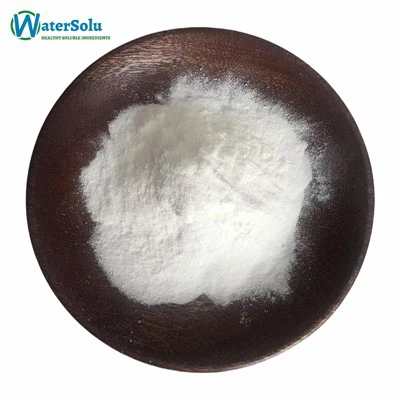
The result is a free‑flowing, cold‑water‑soluble powder that dissolves completely without residue-a critical requirement for modern RTD production.
⚖️ Instant Tea Powder vs. Ground Tea Leaves: A Critical Distinction
Many manufacturers confuse instant tea powder with ground tea leaves. The difference is fundamental:
| Feature | Instant Tea Powder | Ground Tea Leaves |
|---|---|---|
| Solubility | Fully dissolves in water (cold or hot) | Does not dissolve; forms sediment |
| Production Method | Spray‑dried extract from brewed tea | Pulverized whole leaves |
| Clarity | Clear solution | Cloudy, with particulate matter |
| Best Use Case | RTD beverages, clear iced teas | Matcha‑style drinks, suspended particles |
For clean‑label RTD teas that require clarity and smooth mouthfeel, instant tea powder is the superior choice.
Why Instant Tea Powder Is Ideal for Clean Label RTD Formulations?
Instant tea powder offers four core advantages that align perfectly with the demands of clean‑label RTD production.
1️⃣ Consistent Flavor and Quality – Batch After Batch
One of the biggest challenges with traditional brewed tea is variability. Factors like water quality, brewing time, and tea leaf quality can cause significant flavor drift between batches. Instant tea powder solves this problem by delivering a standardized flavor profile every time. This consistency is crucial for brands aiming to maintain consumer trust and a uniform product experience across millions of units.
2️⃣ Easy Dosing and Formulation Flexibility
Instant tea powder is designed for precision. Manufacturers can easily adjust the dosage to achieve target flavor intensity, tea polyphenol content, or caffeine levels. This easy dosing capability simplifies formulation and allows for rapid product iteration. Moreover, instant tea powder blends seamlessly with other clean‑label ingredients like natural fruit juices, stevia, or collagen-opening up a world of product differentiation.
3️⃣ Scalable Production – From Kitchen to Factory
Unlike brewing that requires large‑scale equipment, filtration, and waste handling, instant tea powder enables a streamlined production process. It simply needs to be rehydrated and mixed, saving time and reducing operational complexity. This scalability makes it equally suitable for small craft producers and multinational corporations.
4️⃣ Clean Label Compatibility
High‑quality instant tea powders contain no artificial additives, preservatives, or carriers. They are essentially dehydrated tea-an ingredient that consumers recognize and trust. This aligns perfectly with the clean‑label movement, where shorter, more transparent ingredient lists are a key purchasing driver.
Formulation Guide: Building Your Clean Label RTD Tea
Creating a successful clean‑label RTD tea requires a strategic approach. Here's a practical framework.
✅ Step 1: Define Your Core Use Case
Start by identifying where your product will be consumed:
-Retail – Cans or PET bottles
-Foodservice – Dispensers or bulk packs
-Functional Powders – Stick packs for on‑the‑go mixing
Each channel will dictate specific requirements for solubility (cold/hot), flavor intensity, and packaging.
✅ Step 2: Choose Your Positioning Angle
Successful products typically focus on one or two primary narratives:
-Everyday Clean Drink – Few ingredients, light sweetness, no artificial colors
-Functional Booster – Higher tea actives (polyphenols), combined with vitamins or fiber
-Premium Tea Experience – Distinctive flavor profiles (e.g., jasmine green tea, oolong) that showcase tea origin
✅ Step 3: Match Specifications to Your Claim
Work backward from your front‑of‑pack promise:
-"Rich tea flavor" → Requires high‑aroma, higher‑solids tea powder
-"Light and refreshing" → Milder profile with controlled bitterness
-"High in tea polyphenols" → Tighter specification on catechin content
✅ Step 4: Source the Right Instant Tea Powder
Not all instant tea powders are created equal. Key specifications to evaluate:
| Parameter | Typical Specification for RTD |
|---|---|
| Solubility | Cold‑water soluble, clear solution |
| Tea Polyphenols | 18–45% |
| Moisture | ≤6.0% |
| Particle Size | ≥95% pass 80 mesh |
| Heavy Metals | ≤2.0 mg/kg (as Pb) |
| Microbiology | Total plate count ≤1,000 cfu/g |
Pro Tip: If your RTD is cold‑filled or stored at ambient temperatures, specify cold‑water‑soluble (CWS) powder to avoid clumping and ensure a sediment‑free product.
Real‑World Inspiration: How Brands Are Doing It
Yili's INIKIN Instant Brewed Tea
Chinese dairy giant Yili launched its INIKIN brand of RTD teas with a twist‑cap technology that stores freeze‑dried tea powder in the cap. When the consumer twists the cap, the tea drops into the water and dissolves in just three seconds. The product contains just two ingredients: water and tea-a perfect example of clean‑label innovation enabled by instant tea powder.
Teez: Clean Hard Tea
In the alcoholic RTD space, the brand Teez has entered the hard tea category with products made from real tea, real fruit juice, and real spirits-with no artificial sweeteners. This reflects the broader consumer shift toward ingredient transparency, even in adult beverages.
Conclusion: Instant Tea Powder as a Strategic Ingredient
The modern beverage landscape is shifting decisively toward products that balance wellness, convenience, and authenticity. Instant tea powder fits this trend with unusual precision. It enables brands to:
Deliver consistent, authentic tea flavor at scale
Maintain clean‑label credentials with a single, recognizable ingredient
Achieve operational efficiency through easy dosing and scalable production
Differentiate through functional claims backed by measurable tea polyphenols
For R&D managers and procurement professionals, instant tea powder is not a compromise-it's a strategic enabler. When sourced from a reputable manufacturer with tight process controls, it bridges the gap between traditional tea craftsmanship and modern manufacturing demands.
The next time you formulate an RTD tea, ask yourself: Am I using instant tea powder as a simple flavoring-or as the foundation of a clean‑label success story?
FAQ

01. Is instant tea powder the same as ground tea leaves?
02. Does instant tea powder contain artificial additives?
03. Can instant tea powder dissolve in cold water?
04. How do I ensure consistent flavor from batch to batch?
05. What is the typical dosage of instant tea powder in an RTD beverage?
06. Can I combine instant tea powder with other clean‑label ingredients?
References
1.Amelia Bay. (2015). To a Tea: Building a Better RTD Iced Tea [Whitepaper]. SupplySide Supplement Journal. https://www.supplysidesj.com/herbs-botanicals/build-a-better-rtd-tea
2.Amelia Bay. (2015). Amelia Bay: Formulating RTD Iced Teas. Prepared Foods. https://www.preparedfoods.com/articles/117338-amelia-bay-formulating-rtd-iced-teas
3.Fitriady, M. A., Rohmah, A. N., Rinaldi, N., Agustian, E., Sulaswatty, A., & Shabri, S. (2024). The Significant Process Variable of Tea Powder Production Based On Spray Dry Method. Jurnal Sains Materi Indonesia, 26(1), 45–51. https://ejournal.brin.go.id/jsmi/article/view/3133
4.Newseed Chemical Co., Limited. (n.d.). Instant Tea Powder - Product Specifications. https://www.foodsweeteners.com/products/instant-tea-powder/
5.Rinaldi, N., & Sulaswati, A. (2024). Instant Tea Production via Spray Drying: Process Variables and Yield Analysis. Jurnal Sains Materi Indonesia. https://ejournal.brin.go.id/jsmi/article/download/3133/4290
6.Altiok, E., & Kasapoglu, C. (2026). Production of Instant Linden Tea (Tilia spp.) Powder: Integrating Compound-Level Infusion Kinetics With Response Surface-Optimized Spray Drying. Food Science & Nutrition. https://onlinelibrary.wiley.com/doi/full/10.1002/fsn3.72018
7.Xiao, W., et al. (2017). The effect of ultrafine and coarse grinding on the suspending and precipitating properties of black tea powder particles. ScienceDirect. https://www.sciencedirect.com/science/article/abs/pii/S0260877417305344
8.Xinhua. (2024). China's Yili wins global water drinks award with innovation practices. https://english.news.cn/20241101/40089241c606439094c2ef7fa7465431/c.html
9.China Today. (2024). Yili's Inikin wins the 2024 Global Water Drinks Awards. http://www.chinatoday.com.cn/ctenglish/2018/zdtj/202411/t20241107_800383239.html
10.Peaklign Partners. (2026). Teez, a New RTD Brand, Rethinks Hard Tea With Cleaner Ingredients and No Artificial Sweeteners. NomBase. https://www.nombase.com/newswire/2026/05/29/teez-a-new-rtd-brand-rethinks-hard-tea-with-cleaner-ingredients-and-no-artificial-sweeteners
11.Aqua Connect Exim Private Limited. (2025). 5 Industrial Uses of Black Tea Powder: A Guide for Manufacturers. https://aquaconnectexim.com/industrial-applications-black-tea-powder/