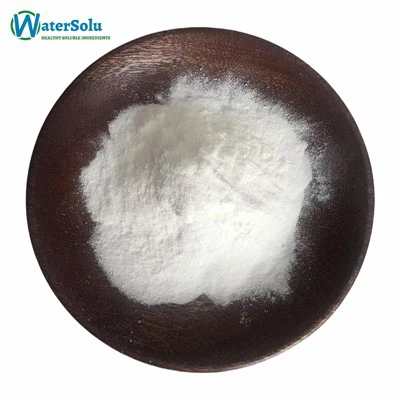


For procurement managers and production planners in the food manufacturing industry, one question repeatedly surfaces when developing coconut-based products: Should we source coconut milk powder or canned liquid coconut milk?
This is not a trivial choice. The decision impacts supply chain stability, storage infrastructure, production scheduling, dosage accuracy, and ultimately, the bottom line. While both ingredients derive from the same source-the mature coconut kernel (Cocos nucifera L.)-their physical forms create fundamentally different operational profiles for industrial-scale manufacturing.
This article provides a side-by-side comparison across the key factors that matter most to B2B buyers, explains why large food manufacturers are increasingly shifting to powdered formats, and offers practical guidance for your procurement decision.
Side-by-Side Comparison: Key Factors for Industrial Buyers
| Factor | Liquid Coconut Milk | Coconut Milk Powder |
|---|---|---|
| Shelf Life | 1–2 days refrigerated (fresh); 2–5 years unopened (canned) | 18–24 months at ambient temperature |
| Storage | Requires refrigeration (2–4°C) or cold chain; significant space needed | Ambient storage (15–25°C); 75% less space required |
| Shipping Cost | High weight and volume; refrigerated transport required | 40% lower shipping cost; no refrigeration needed |
| Dosage Control | Difficult to adjust; limited by can size; risk of waste from unused portions | Accurate measurement by weight; flexible formulation adjustments |
| Global Sourcing | Complex; perishable; limited supplier options | Simplified; shelf-stable; extensive supplier network |
| Supply Chain Risk | High; spoilage risk; emergency procurement costs | Low; strategic stockpiling possible; price hedging |
The Science Behind the Difference
Liquid coconut milk is an emulsion extracted from grated coconut meat, typically containing 15–25% fat and high moisture content. This high water activity (aw > 0.95) creates an environment where microorganisms thrive, limiting its shelf life to 1–2 days under refrigeration.
Coconut milk powder is produced through spray-drying, a process that removes moisture to below 3%, creating an environment where bacteria and mold cannot survive. This transformation preserves the essential nutrients and flavor compounds while eliminating the primary cause of spoilage-water activity.
The EU coconut milk products market is a supply-chain logistics story where the powder format wins on economics, shelf life, and formulation flexibility. Coconut milk powder currently accounts for 93% of EU coconut milk product sales, a share that reflects the permanent cost advantage of shipping and storing powder versus liquid across intercontinental supply chains.
Why Large Food Manufacturers Are Shifting to Powder
1. Supply Chain Stability
With a 24-month shelf life at ambient temperature, coconut milk powder eliminates the "race against time" that comes with fresh liquid coconut milk. One delayed shipment or equipment breakdown no longer halts entire production lines. Manufacturers can maintain buffer stock without fear of spoilage, ensuring uninterrupted operations.
The powder format dominance in the EU market is a direct consequence of logistics economics: coconut milk powder ships at a fraction of the weight and volume of liquid coconut milk, with shelf life extending to 18 to 24 months versus 7 to 14 days for fresh liquid.
2. Inventory Management
Powdered coconut milk enables strategic purchasing. Manufacturers can buy in bulk during price dips, lock in favorable contracts, and store ingredients for months without degradation. This working capital optimization stands in stark contrast to the frequent, small-batch ordering required by perishable liquid formats.
3. Production Flexibility
Powder form allows precise dosage control by weight, enabling formulators to adjust fat content and concentration to meet exact specifications. Liquid coconut milk, constrained by can sizes, offers far less flexibility. Additionally, powder reconstitution allows manufacturers to produce the exact volume needed, reducing waste from unused portions.
4. Cost Efficiency
A medium-sized food manufacturer processing 1,000 liters of coconut milk weekly faces approximately $15,000 in annual costs just from spoilage and emergency procurement when using fresh ingredients. Waste reduction from spoilage drops from an industry average of 8–12% with fresh coconut milk to less than 1% with powder. For a facility processing $1 million in coconut ingredients annually, this represents $80,000–$120,000 in recovered revenue.
When Does Liquid Coconut Milk Still Make Sense?
Despite the operational advantages of powder, liquid coconut milk remains appropriate in specific scenarios:
Short-run production with immediate consumption – Small bakeries or restaurants using coconut milk within 1–2 days of receipt
Products where "fresh" is a key marketing claim – Certain premium segments value the perception of fresh ingredient sourcing
Limited storage infrastructure – Facilities without space or capability for bulk powder storage
However, for most industrial-scale food manufacturing operations, the total cost of ownership for powdered coconut milk is typically 30–40% lower than liquid when factoring in spoilage, storage, transportation, and labor.
Conclusion
The choice between coconut milk powder and liquid coconut milk is not about which ingredient is "better" in absolute terms-it is about which format better serves your specific operational reality and long-term business objectives.
For procurement managers seeking:
Supply chain resilience – Powder wins
Storage efficiency – Powder wins
Cost predictability – Powder wins
Production flexibility – Powder wins
The trend among large food manufacturers is clear. The powder format is not merely a convenience-it is a strategic advantage that enables stable supply chains, efficient inventory management, and cost-effective production at scale. As one industry analyst noted, the 93% powder share in the EU market is not a temporary market structure but a permanent reflection of the economics of shipping and storing powder versus liquid across intercontinental supply chains.
Soft CTA
Switching from liquid to powdered coconut milk is a strategic decision that affects your supply chain, production efficiency, and costs. Every operation has unique needs-the right choice depends on your formulation and volume requirements.
If you are evaluating coconut milk powder-or unsure which fat content or particle size suits your application-our technical team can review your formulation and provide tailored recommendations.
We offer free R&D samples, customizable specifications, and full documentation support (COA, MSDS, Kosher, Halal).
Contact us to request a sample or get a customized quote.
📧 Email: info@watersolu.com
📞 Phone: +86 13484914978
💬 WhatsApp: +86 17396654828
FAQ

Q1: Is coconut milk powder more expensive than liquid coconut milk?
Q2: Does reconstituted coconut milk powder taste the same as fresh coconut milk?
Q3: What is the shelf life comparison between the two formats?
Q4: How much storage space can I save with coconut milk powder?
Q5: Is coconut milk powder suitable for all applications where liquid coconut milk is used?
Q6: What about organic certification for coconut milk powder?
References
1.Nestlé Research Center. (2015). Coconut Milk Powder Production: Technology and Quality Assessment.
2.Tham, R. C. Y., Leong, S. Y., Oey, I., & Tan, C. P. (2017). Effects of spray-drying parameters on the quality of coconut milk powder. Journal of Food Processing and Preservation, 41(5), e13123.
3.European Coconut Market Report. (2023). Coconut Products in the EU: Market Structure and Growth Trends. Brussels.
4.Rahman, M. S. (2007). Handbook of Food Preservation (2nd ed.). CRC Press. (Chapter 12: Water Activity and Food Stability).
5.Khuenpet, K., Jittanit, W., & Sirisansaneeyakul, S. (2018). Optimization of spray-drying conditions for production of high-quality coconut milk powder. Drying Technology, 36(9), 1068–1080.