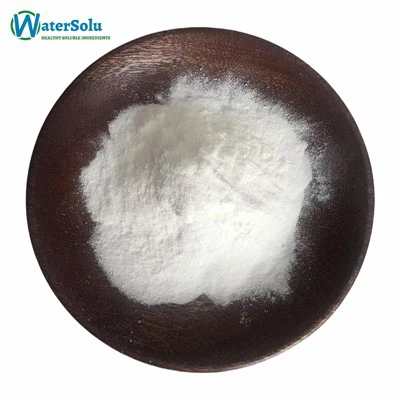


Introduction: The Rise of a Skin Care Active Ingredient
In the evolving landscape of high-performance skincare, formulators are constantly seeking active ingredients that deliver clinically relevant benefits without compromising skin tolerance. One ingredient that has moved from a traditional remedy to a scientifically validated skin care active ingredient is Dipotassium Glycyrrhizinate. Often referred to as licorice extract powder for skin care, this compound is the standardized, water-soluble salt form of glycyrrhizic acid derived from the roots of Glycyrrhiza glabra L..
While consumers often associate licorice with sweetness, the true power of this high-purity licorice extract powder lies in its sophisticated molecular mechanisms. For B2B buyers and cosmetic chemists, understanding the science behind this ingredient is the key to formulating next-generation cosmeceuticals that are both efficacious and gentle.
The Molecular Mechanism: More Than Just an Anti-Inflammatory
The Multi-Target Approach to Skin Inflammation
The efficacy of Dipotassium Glycyrrhizinate bulk powder is rooted in its ability to act on multiple inflammatory pathways simultaneously, a concept known as multi-target modulation. Unlike single-action ingredients, this compound provides comprehensive skin-soothing benefits.
Research has demonstrated that Dipotassium Glycyrrhizinate (DG) exerts its anti-inflammatory effects by modulating key signaling cascades. Specifically, it has been shown to inhibit the activation of the NF-κB (Nuclear Factor-kappa B) and MAPK (Mitogen-Activated Protein Kinase) signaling pathways. These pathways are central to the inflammatory response; when activated by external aggressors like UV radiation or pollutants, they trigger the release of pro-inflammatory cytokines such as IL-1β, IL-6, and TNF-α. By downregulating these pathways, DG helps break the inflammatory chain reaction before it manifests as visible skin redness or irritation.
Potent Anti-Allergic and Anti-Irritant Actions
One of the most significant benefits for sensitive skin formulations is the ingredient's anti-allergic profile. Dipotassium Glycyrrhizinate has been found to inhibit histamine release from mast cells. Histamine is a primary mediator of allergic reactions and is responsible for the itching, redness, and swelling associated with sensitive skin flare-ups. By suppressing this compound, DG acts as a potent licorice extract powder for sensitive skin, offering relief from discomfort caused by harsh active ingredients or environmental stress.
Superior Formulation Compatibility for High-End Products
The Advantage of Water Solubility
A common challenge with many botanical extracts is their poor solubility, which limits their use in clear serums, gels, and toners. This is where water-soluble licorice extract powder excels. The chemical structure of Dipotassium Glycyrrhizinate contains hydrophilic and lipophilic groups, making it a natural surfactant that readily dissolves in aqueous systems.
This property is a game-changer for cosmetic grade licorice extract suppliers targeting the premium market. It allows for the creation of crystal-clear formulations without the need for additional solubilizers that can introduce irritation. Whether formulating a high-end anti-aging serum or a hydrating face mist, this white licorice extract powder integrates seamlessly.
The "Golden Synergy" with Other Actives
The compatibility of Dipotassium Glycyrrhizinate extends beyond physical solubility to include functional synergy with other powerful ingredients. This makes it a cornerstone of advanced formulation strategies:
Synergy with Hyaluronic Acid: The combination of licorice extract and hyaluronic acid is highly effective. While hyaluronic acid provides intense hydration, studies suggest that licorice extract helps preserve the skin's natural hyaluronic acid content. Furthermore, it improves the sensory profile, adding a premium feel to the serum.
Synergy with Niacinamide: This is a popular pairing in modern cosmeceuticals. Both ingredients offer soothing and brightening benefits. Dipotassium Glycyrrhizinate can mitigate the initial flushing or irritation some users experience with niacinamide, creating a more tolerable and thus more effective formulation. Its anti-inflammatory action also reduces inflammation-induced pigmentation, complementing niacinamide's melanin-inhibiting effects.
Beyond Cosmetics: Broader Product Development Opportunities
Pharmaceutical and Oral Care Applications
The utility of high-purity Dipotassium Glycyrrhizinate extends beyond topical skin care. Due to its potent anti-inflammatory action, it is a valuable component in oral care products such as toothpaste and mouthwash, where it can help soothe irritated gums and prevent ulceration. In the pharmaceutical realm, it is used in formulations for its anti-inflammatory and immunomodulatory properties, making it a versatile ingredient for companies developing nutraceuticals or over-the-counter topical drugs.
Conclusion: The Key to Superior Cosmeceuticals
For B2B buyers looking to elevate their product lines, sourcing Licorice Extract Powder from a professional supplier is not just a transaction-it is a technical decision. The choice of raw material directly impacts the stability, efficacy, and regulatory compliance of the final product.
By choosing a supplier that provides licorice extract powder with HPLC analysis and verifies purity levels (e.g., ≥65% HPLC for cosmetic grade), brands can confidently make skin-soothing claims. The integration of this advanced ingredient is a step toward developing high-end cosmeceuticals that deliver on the promise of science-backed, skin-friendly efficacy.
Ready to formulate your next-generation cosmeceutical with high-purity Dipotassium Glycyrrhizinate? Our technical team is available to discuss compatibility, dosage, and custom formulations for your specific application.
Contact our lab specialists for a confidential consultation.
📩 Email: info@watersolu.com
📱 WhatsApp: +86 17396654828
References
1.BenchChem Technical Support Team. A Comparative Analysis of Dipotassium Glycyrrhizinate and Hydrocortisone in Eczema Models. BenchChem, Nov. 2025.
2.BenchChem Technical Support Team. Dipotassium Glycyrrhizinate Documentation Hub: Comparative Efficacy in Psoriasis Models. BenchChem, Nov. 2025.
3.Leite, C. D. S., Bonafé, G. A., Pires, O. C., Santos, T. W., Pereira, G. P., Pereira, J. A., Rocha, T., Martinez, C. A. R., Ortega, M. M., & Ribeiro, M. L. "Dipotassium Glycyrrhizininate Improves Skin Wound Healing by Modulating Inflammatory Process." International Journal of Molecular Sciences, vol. 24, no. 4, 2023, p. 3839.
4."All-in-One Skin-Brightening Formulations." Google Patents, US20170312215A1, filed 28 Apr. 2016.
5."Oil-Insoluble Transparent Oil Solution of Dipotassium Glycyrrhizinate and Its Preparation Method and Application." Google Patents, CN112915041A, filed 18 Mar. 2021.
6."Phytoconstituents, Mechanisms, and Delivery Systems in Polyherbal Formulations for Anti-Aging Skincare: A Comprehensive Review." ScienceDirect, Dec. 2025.
7."Study on 8 Kinds of Herbal Mixed Extract Powder for Skin Efficacy." KCI, 17 July 2026.
8."Development and Characterization of Herbal Extract-Loaded Nanoemulgels for Periorbital Hyperpigmentation and Edema." Springer, Journal of Pharmaceutical Innovation, 13 May 2026.
9."The pH-Driven Binding Mechanism of Rice Glutelin-Dipotassium Glycyrrhizinate and Its Effects on Protein Solubility and Aggregation Behavior." ScienceDirect, Dec. 2025.
10."Dipotassium Glycyrrhizinate (CAS 68797-35-3): Global Industry Market Analysis Report 2020-2031." Market Research Reports, Paco Research, 30 June 2025.