


Yo, fellow health and natural product enthusiasts! I'm here today as a supplier of Blue Spirulina Phycocyanin to chat about something super important: the purity of Blue Spirulina Phycocyanin on the market. It's a topic that's been buzzing around a lot, and I think it's high time we dug deep into it.
First off, let me give you a quick rundown on what Blue Spirulina Phycocyanin is. It's a protein - pigment complex extracted from blue - green algae, specifically spirulina. This stuff is like a little powerhouse of goodness. It's got antioxidant properties, can help with inflammation, and even has some potential benefits for brain health. No wonder it's so popular in the health food and supplement industry.
But here's the deal: not all Blue Spirulina Phycocyanin on the market is created equal. There's a huge range of purity levels out there, and that can really affect its quality and the benefits you get from it. So, what exactly do we mean by purity in this context?
Purity of Blue Spirulina Phycocyanin is usually measured by the percentage of phycocyanin in the final extract. A high - purity product will have a greater concentration of phycocyanin, which means more of those awesome health benefits. For example, a product with 70% purity has 70 grams of phycocyanin per 100 grams of the extract. The rest of it might be other proteins, carbohydrates, or impurities.
Why does purity matter so much? Well, think about it. If you're buying Blue Spirulina Phycocyanin for its health benefits, you want to make sure you're getting the most bang for your buck. A less - pure product might have a lot of fillers or other substances that don't offer the same advantages. Plus, impurities can sometimes cause allergic reactions or other unwanted side effects in some people.
Now, let's talk about the purity levels you're likely to come across in the market. You can find products with purities ranging from as low as 20% to upwards of 95%. The lower - purity products are often cheaper, but they might not be as effective. These could be suitable for applications where the phycocyanin is just one part of a blend, like in some food colorings or multi - ingredient supplements.
On the other hand, high - purity products (80% and above) are where it's at if you're looking for maximum health benefits. These are typically more expensive, but they're also more potent. They're great for people who take supplements specifically for the antioxidant or anti - inflammatory properties of phycocyanin.
When you're shopping for Blue Spirulina Phycocyanin, it's essential to look at the product label. A reputable supplier should clearly state the purity level. If it's not on the label, that's a red flag. You might also want to ask for a certificate of analysis (COA). This document provides detailed information about the product's composition, including its purity.
Another thing to keep in mind is that the extraction process plays a huge role in determining purity. Some extraction methods are more efficient and result in a higher - purity product. At our end, we use state - of - the - art technology to ensure that we get the purest Blue Spirulina Phycocyanin possible. We're constantly refining our processes to improve the quality and purity of our products.
Now, I know I've been focused on Blue Spirulina Phycocyanin here, but there are other natural extracts out there that offer similar or complementary benefits. For example, Black Carrot Extract Powder is a great source of antioxidants, and Turmeric Extract Powder is well - known for its anti - inflammatory properties. And if you're into natural food colorings, Grape Skin Red is a fantastic option.
As a supplier, I've seen firsthand the impact that purity can have on customer satisfaction. When people buy high - purity Blue Spirulina Phycocyanin, they notice a real difference in how they feel. They often report more energy, less inflammation, and other positive health changes. That's why we're so committed to providing the purest products on the market.

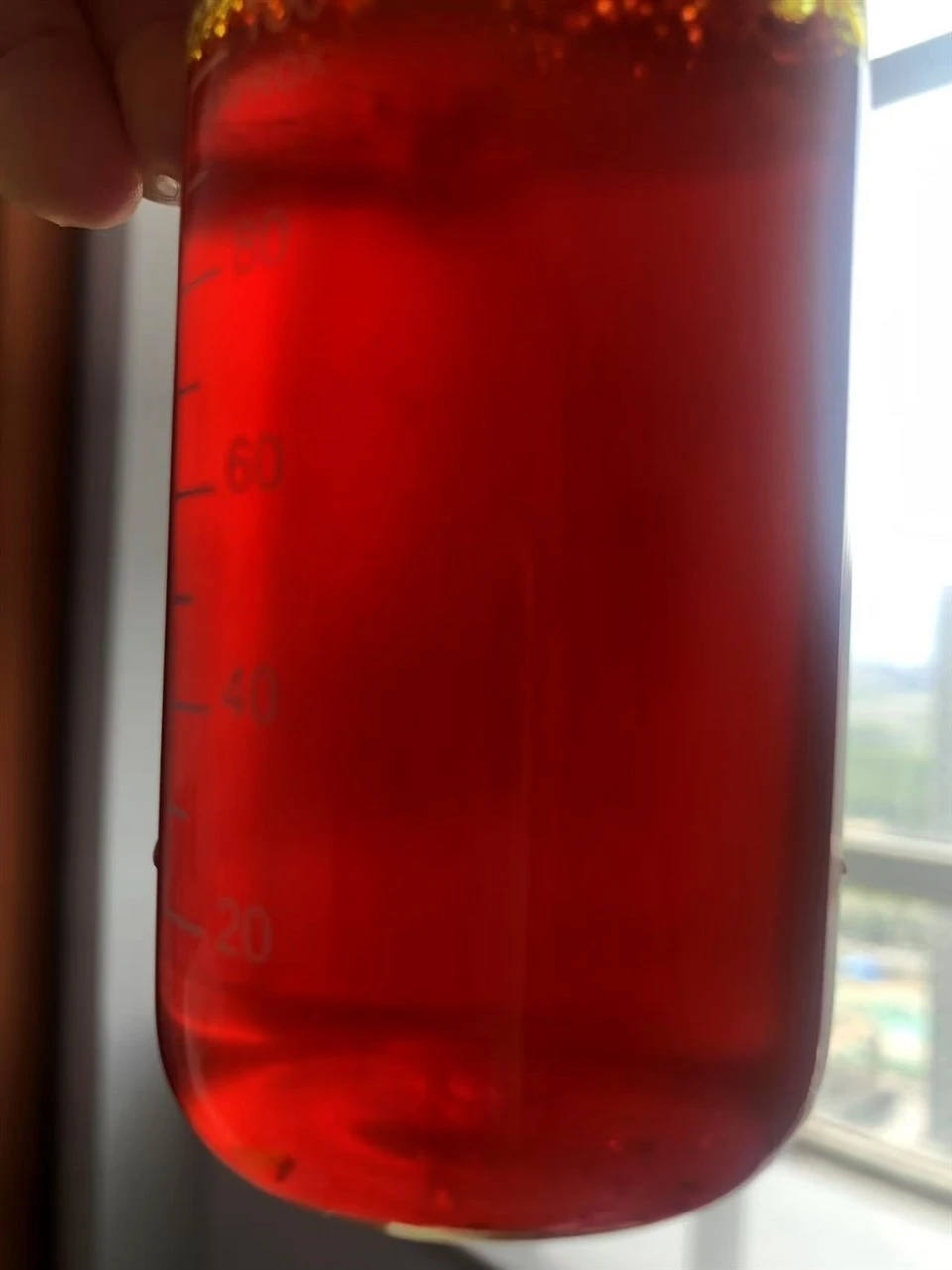
But how can you tell if a supplier is legitimate and their products are really as pure as they claim? One way is to look for customer reviews. Check out what other people are saying about the product and the company. Reputable suppliers will also be happy to answer any questions you have. Don't be afraid to reach out and ask about their extraction process, quality control measures, and the testing they do.
In addition to purity, you should also consider the source of the spirulina. The quality of the raw material can have a big impact on the final product. We source our spirulina from clean, sustainable environments to ensure that it's free from contaminants like heavy metals and pesticides.
So, if you're in the market for Blue Spirulina Phycocyanin, here are some key takeaways:
- Check the purity level on the label and ask for a COA.
- Look for a supplier with good customer reviews and a commitment to quality.
- Consider the extraction process and the source of the spirulina.
If you're interested in learning more about our Blue Spirulina Phycocyanin products or have any questions about purity, don't hesitate to reach out. We're here to help you make the best choice for your health and wellness needs. Whether you're a consumer looking for a high - quality supplement or a business in the food or beverage industry in search of a natural coloring agent, we've got you covered.
Contact us to start a discussion about purchasing our Blue Spirulina Phycocyanin. We can provide you with samples, more detailed information on our products, and work with you to find the best solution for your specific requirements.
References:
- Nutritional and Health - Promoting Properties of Blue - Green Algae Spirulina, published in a scientific journal on natural health products.
- Research studies on the extraction and purification of phycocyanin from spirulina.


