


Hey there! As a supplier of Lily Extract Powder, I've been getting a lot of questions lately about what kind of impact it can have on jam. Well, you're in the right place because I'm gonna break it down for you.
First off, let's talk about what Lily Extract Powder is. It's basically a concentrated form of the lily plant, which has been used in traditional medicine for ages. The powder is made by extracting the beneficial compounds from the lily and then drying them into a fine powder. It's packed with antioxidants, vitamins, and minerals that can do wonders for your health and also add some unique flavors and properties to your jam.
Flavor Enhancement
One of the most noticeable impacts of Lily Extract Powder on jam is the flavor enhancement. Lilies have a delicate, slightly sweet, and floral taste. When you add a bit of Lily Extract Powder to your jam, it can give it a whole new dimension of flavor. It's not overpowering, but it adds a subtle floral note that makes the jam taste more complex and interesting.
For example, if you're making a strawberry jam, the natural sweetness of the strawberries combines really well with the floral undertones of the lily extract. It's like taking a classic strawberry jam and giving it a little gourmet twist. And it's not just for strawberry jam. You can use it in all sorts of fruit jams, like raspberry, blueberry, or even peach. The lily extract can complement the natural flavors of the fruits and make the jam stand out.
Health Benefits
Another big impact is the health benefits it brings to the jam. As I mentioned earlier, Lily Extract Powder is rich in antioxidants. Antioxidants are important because they help protect our cells from damage caused by free radicals. Free radicals are unstable molecules that can cause oxidative stress in our bodies, which is linked to various health problems like aging, heart disease, and cancer.
When you add Lily Extract Powder to your jam, you're essentially turning it into a healthier treat. You can enjoy your favorite jam while also getting a boost of antioxidants. It's a win - win situation. Plus, lilies are also known for their anti - inflammatory properties. So, if you have any minor inflammation in your body, the jam with lily extract might help reduce it a little bit.
Texture and Preservation
Lily Extract Powder can also have an impact on the texture and preservation of the jam. In terms of texture, it can make the jam a bit thicker and more spreadable. The extract contains some natural gums and fibers that can help the jam hold its shape better. It won't turn into a runny mess when you spread it on your toast.
As for preservation, the antioxidants in the lily extract can help extend the shelf life of the jam. They slow down the oxidation process, which is what causes the jam to spoil over time. So, your jam will stay fresh and delicious for longer. This is great news for both home - made jam makers and commercial jam producers.
Comparison with Other Extracts
Now, let's compare Lily Extract Powder with some other popular botanical extracts. For instance, Scutellaria Baicalensis Extract is well - known for its antibacterial and antiviral properties. While it can also be added to jam for health benefits, its flavor is quite different from lily extract. Scutellaria baicalensis extract has a more bitter and herbal taste, which might not be as appealing in a sweet jam as the floral and sweet taste of lily extract.

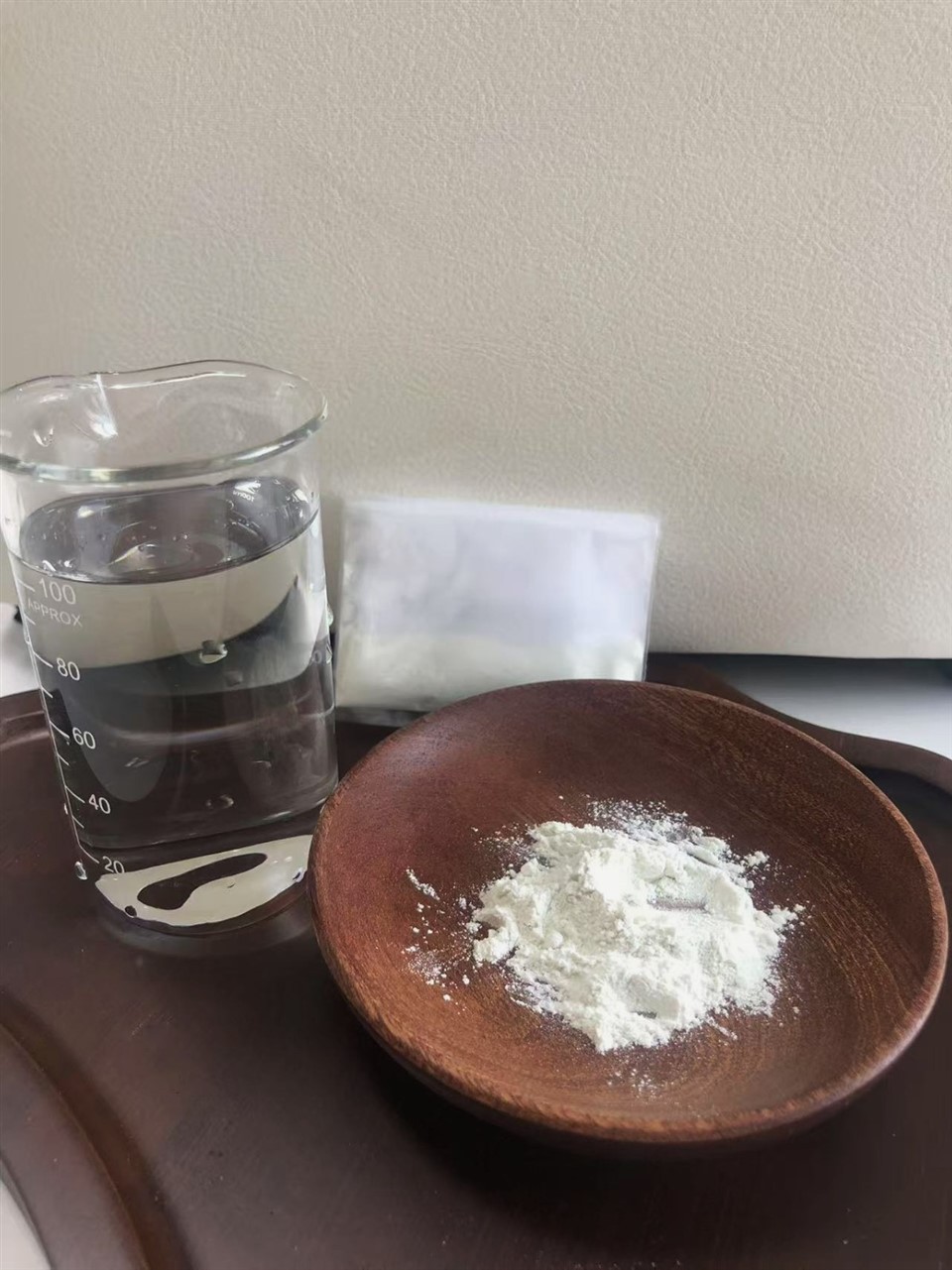
Lotus Leaf Extract Powder is another option. Lotus leaf extract is often used for its weight - loss and digestive benefits. It has a light, refreshing taste, but it doesn't have the same floral complexity as lily extract. So, if you're looking for a flavor boost in your jam, lily extract might be a better choice.
And then there's Laricifomes Officinalis Extract. This extract is known for its immune - boosting properties. However, its taste is rather earthy and might not blend as well with the sweet flavors of fruit jams as lily extract does.
How to Use Lily Extract Powder in Jam
Using Lily Extract Powder in jam is really easy. You just need to add it during the cooking process. When you're making the jam, after you've mashed the fruits and added the sugar, you can sprinkle in a small amount of Lily Extract Powder. Usually, about half a teaspoon to a teaspoon per cup of fruit is enough.
Stir it well into the jam mixture and then continue cooking the jam according to your recipe. The heat will help the extract blend in and release its flavors and properties. And that's it! You'll have a delicious, healthy jam with a unique flavor.
Market Potential
For those of you who are into the business side of things, there's a great market potential for jam with Lily Extract Powder. Consumers are becoming more health - conscious and are always looking for new and interesting food products. A jam with the added health benefits and unique flavor of lily extract can be a real selling point.
It can be positioned as a premium product in the market. You can target health food stores, gourmet food shops, or even online platforms. And with the growing trend of artisanal and home - made food products, a jam with lily extract can attract a niche market of consumers who appreciate high - quality, unique food items.
Conclusion
In conclusion, Lily Extract Powder has a significant impact on jam. It enhances the flavor, adds health benefits, improves the texture and preservation, and has great market potential. Whether you're a home cook looking to make a special jam for your family or a commercial jam producer looking for a new product line, Lily Extract Powder is definitely worth considering.
If you're interested in purchasing Lily Extract Powder for your jam - making needs, feel free to reach out. We're here to help you get the best quality product and answer any questions you might have. Let's work together to create some amazing jams!
References
- "Botanical Extracts: Properties and Applications" - A general book on botanical extracts that provides information on the properties of various plant extracts, including lilies.
- "The Science of Antioxidants in Food" - A research - based publication that explains the role of antioxidants in food and their health benefits.


