


Hey there! As a supplier of White Peony Root Extract, I often get asked about the differences between this particular extract and other peony extracts. So, I thought I'd sit down and write a blog post to clear things up.
First off, let's talk about what peony extracts are in general. Peonies are beautiful flowers that are not only admired for their aesthetic appeal but also valued for their medicinal properties. There are different parts of the peony plant that can be used to make extracts, and they each have their own unique characteristics.
White Peony Root Extract
White Peony Root Extract is derived from the root of the white peony plant (Paeonia lactiflora). It's been used in traditional Chinese medicine for centuries and is known for a wide range of health benefits.
Key Components
One of the major active components in White Peony Root Extract is paeoniflorin. Paeoniflorin has anti - inflammatory, analgesic, and immune - regulating properties. It can help reduce inflammation in the body, which is beneficial for conditions like arthritis. It also has a calming effect on the nervous system, which can help with stress and anxiety.
Health Benefits
- Blood Regulation: In traditional Chinese medicine, white peony root is believed to regulate blood flow. It can be used to treat menstrual disorders in women, such as irregular periods and painful cramps.
- Liver Protection: It's also known to have hepatoprotective effects. That means it can help protect the liver from damage caused by toxins and other harmful substances.
- Antioxidant Properties: White Peony Root Extract contains antioxidants that can help fight off free radicals in the body. Free radicals are unstable molecules that can cause cellular damage and lead to aging and various diseases.
Other Peony Extracts
Paeonia Suffruticosa (Tree Peony) Extract
The Tree Peony (Paeonia suffruticosa) extract is usually made from the bark of its roots. Unlike the white peony root extract, the tree peony bark extract is more commonly used for its cooling and blood - clearing effects.
Key Components
The main components in tree peony bark extract are paeonol and paeoniflorin. Paeonol has anti - inflammatory, antibacterial, and antipyretic properties. It can help reduce fever and relieve pain.
Health Benefits
- Skin Health: Tree peony bark extract is often used in skincare products. Its anti - inflammatory and antibacterial properties can help treat acne and other skin inflammations.
- Cardiovascular Health: It may also have a positive effect on the cardiovascular system by helping to lower blood pressure and reduce cholesterol levels.
Paeonia Veitchii Extract
Paeonia Veitchii is another species of peony, and its root extract has different characteristics compared to white peony root extract.
Key Components
Similar to other peony extracts, it contains paeoniflorin, but it also has some unique components that give it distinct medicinal effects.
Health Benefits
- Pain Relief: It's traditionally used for its analgesic properties. It can be effective in relieving various types of pain, such as abdominal pain and headache.
Differences in Extraction Process
The extraction process for White Peony Root Extract is different from that of other peony extracts. For white peony root extract, the roots are carefully selected and cleaned. Then, they are usually extracted using solvents like ethanol or water. The extraction process is optimized to ensure the maximum yield of paeoniflorin and other active components.
In contrast, the extraction of tree peony bark extract may require special handling due to the nature of the bark. The bark needs to be properly dried and ground before extraction. The solvents used and the extraction conditions may also vary to obtain the specific components like paeonol.
Differences in Applications
In Traditional Medicine
In traditional Chinese medicine, white peony root extract is often used in formulas for gynecological problems, liver protection, and stress management. Tree peony bark extract, on the other hand, is more likely to be used in formulas for skin diseases and fever reduction.
In Modern Supplements and Skincare
In modern times, white peony root extract is popular in dietary supplements for its overall health - promoting effects. You can find it in capsules or tablets that claim to support liver health and hormonal balance.
Tree peony bark extract is widely used in skincare products like creams, serums, and lotions. Its anti - inflammatory and antibacterial properties make it a great ingredient for treating skin problems.
Other Botanical Extracts with Similar Benefits
If you're interested in botanical extracts with similar health - promoting effects, you might want to check out some of these products:
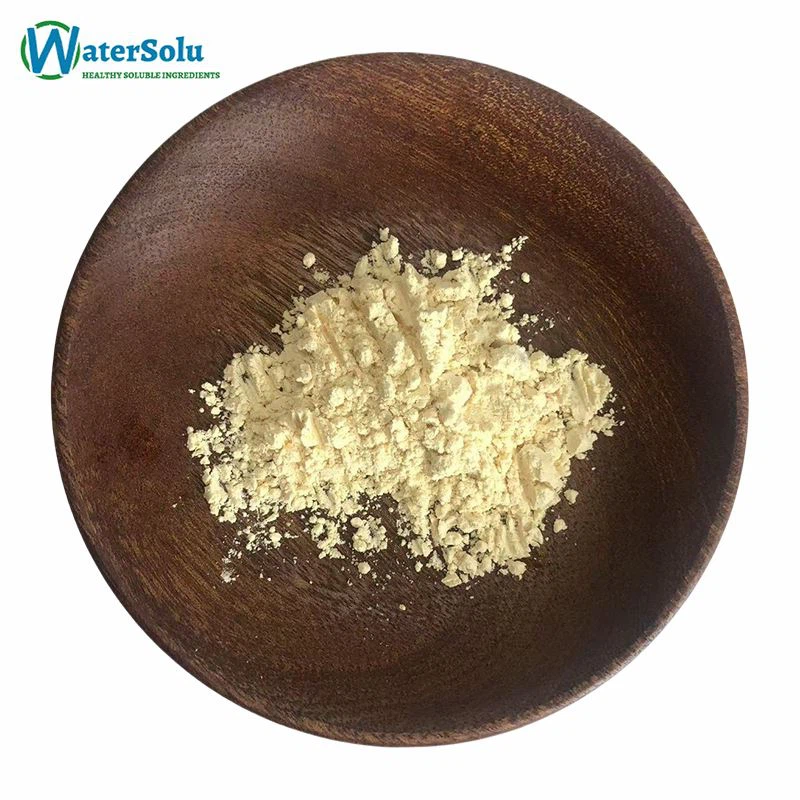

- Glucoraphanin Powder: Glucoraphanin is found in cruciferous vegetables like broccoli. It has potent antioxidant and anti - inflammatory properties, similar to some of the benefits of peony extracts.
- Olive Leaf Extract Powder: Olive leaf extract is known for its antibacterial, antiviral, and antioxidant effects. It can help boost the immune system and protect against various diseases, much like peony extracts.
- Ashwagandha Root Extract Powder: Ashwagandha is an adaptogenic herb. It can help the body adapt to stress and has been used in traditional medicine for centuries. It shares some of the stress - relieving properties with white peony root extract.
Conclusion
In conclusion, while all peony extracts come from the peony plant, there are significant differences between White Peony Root Extract and other peony extracts. These differences lie in their active components, health benefits, extraction processes, and applications.
If you're interested in incorporating White Peony Root Extract into your product line or for personal use, don't hesitate to reach out. I'm here to provide you with high - quality White Peony Root Extract and answer any questions you may have. Let's start a conversation about how we can work together!
References
- Bensky, D., Clavey, S., & Stoger, E. (2004). Chinese Herbal Medicine: Materia Medica. Eastland Press.
- Chen, J. K., & Chen, T. T. (2004). Chinese Medical Herbology and Pharmacology. Art of Medicine Press.


