

Identifying the quality of lily extract powder is crucial, especially when you're in the market for this product, whether for personal use or business purposes. As a supplier of lily extract powder, I understand the importance of ensuring that the product meets high - quality standards. In this blog, I'll share some key aspects to consider when evaluating the quality of lily extract powder.
Source of the Lily
The origin of the lily used to make the extract powder is fundamental. Different regions have varying environmental conditions such as soil quality, climate, and altitude, which can significantly impact the chemical composition of the lilies. For instance, lilies grown in areas with rich, fertile soil and a favorable climate are more likely to contain higher levels of beneficial compounds.
Lilies from regions known for their traditional cultivation of medicinal plants often have a long - standing reputation for quality. When choosing a lily extract powder, inquire about the origin of the lilies. A reliable supplier should be able to provide detailed information about the sourcing location. This transparency indicates that the supplier is confident in the quality of their raw materials. It also allows you to research the specific region's growing conditions and determine if they are conducive to producing high - quality lilies.
Extraction Method
The extraction method employed plays a vital role in the quality of the lily extract powder. There are several extraction techniques available, each with its own advantages and disadvantages.
Solvent extraction is a common method. However, it's crucial to ensure that the solvents used are safe and that the final product is free from any residual solvents. Proper purification steps should be in place to remove any unwanted substances. Another effective method is supercritical fluid extraction, which uses carbon dioxide at high pressure and low temperature. This method is considered more environmentally friendly and can preserve the integrity of the bioactive compounds in the lilies.
A high - quality lily extract powder should be produced using a method that maximizes the extraction of beneficial compounds while minimizing the presence of impurities. When evaluating a product, ask the supplier about their extraction process. A good supplier will be able to explain the method in detail and provide evidence of quality control measures during the extraction process.
Chemical Composition
The chemical composition of lily extract powder is a key indicator of its quality. Lily extract contains various bioactive compounds such as polysaccharides, alkaloids, and flavonoids. These compounds are responsible for the potential health benefits of the extract, including anti - inflammatory, antioxidant, and immune - boosting properties.
A high - quality lily extract powder should have a well - defined and balanced chemical profile. You can request a certificate of analysis (COA) from the supplier. The COA provides detailed information about the chemical composition of the product, including the concentration of key bioactive compounds. Compare the COA of different products to ensure you're getting a product with a satisfactory level of beneficial compounds.
It's also important to note that the chemical composition can vary depending on the species of lily used. Different lily species may contain different types and amounts of bioactive compounds. Therefore, make sure you know which lily species the extract is derived from and research its typical chemical profile.
Purity and Quality Control
Purity is a critical factor in determining the quality of lily extract powder. A pure extract should be free from contaminants such as heavy metals, pesticides, and microbial impurities. Reputable suppliers follow strict quality control measures to ensure product purity.
They conduct regular testing for contaminants using advanced analytical techniques. For example, atomic absorption spectroscopy can be used to detect the presence of heavy metals, while high - performance liquid chromatography (HPLC) can be used to analyze the chemical composition and detect any impurities.
When considering a lily extract powder, ask the supplier about their quality control procedures. A reliable supplier will be willing to share information about their testing methods and results. Look for products that have been certified by independent third - party organizations. Certifications such as Good Manufacturing Practice (GMP) indicate that the product has been produced in accordance with strict quality standards.
Appearance and Sensory Characteristics
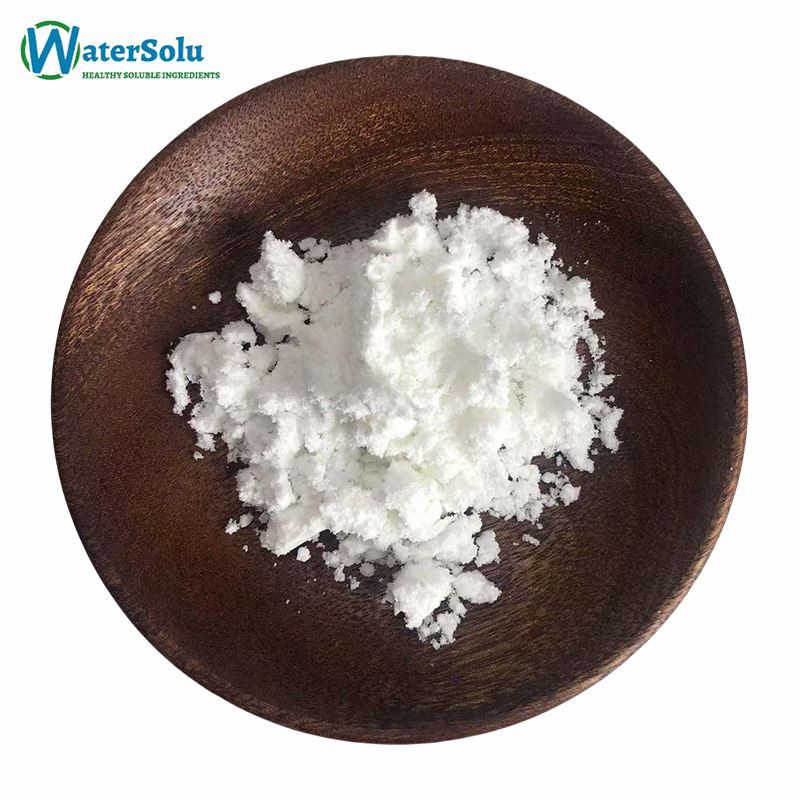
Although not as definitive as chemical analysis, the appearance and sensory characteristics of lily extract powder can provide some clues about its quality. The powder should have a consistent color, usually a light to medium - brown, depending on the extraction method and the type of lily used. Any significant discoloration may indicate improper storage or processing.
The texture of the powder should be fine and free from clumps. A coarse or lumpy powder may suggest a problem with the manufacturing process. In terms of smell, lily extract powder should have a mild, natural aroma characteristic of lilies. A strong or unpleasant odor may indicate the presence of impurities or spoilage.
Particle Size
The particle size of lily extract powder can also impact its quality and functionality. A finer particle size generally means better solubility and bioavailability. When the particles are smaller, they can dissolve more easily in liquids, making it easier for the body to absorb the beneficial compounds.
A supplier should be able to provide information about the particle size distribution of their lily extract powder. Look for products with a narrow particle size distribution, indicating a more consistent quality. If the particle size is too large, the powder may not dissolve properly, leading to a less effective product.
Shelf Life and Storage Conditions
The shelf life of lily extract powder is an important consideration. A high - quality product should have a reasonable shelf life when stored under appropriate conditions. The recommended storage conditions usually include a cool, dry place away from direct sunlight. Exposure to heat, moisture, and light can degrade the bioactive compounds in the extract, reducing its quality over time.

Ask the supplier about the shelf life of their product and the recommended storage conditions. A reliable supplier will provide clear instructions on how to store the powder to maintain its quality. Additionally, check the expiration date on the product packaging to ensure you're getting a fresh batch.
Comparison with Similar Products
When evaluating the quality of lily extract powder, it can be helpful to compare it with other similar products on the market. Look at products from different suppliers and compare their prices, features, and customer reviews.
For instance, you can compare products based on their chemical composition, purity, and extraction methods. Some products may offer a higher concentration of specific bioactive compounds, while others may be more affordable. However, be cautious of products that are significantly cheaper than the average market price, as they may be of lower quality.
You can also explore related products like Salvia Miltiorrhiza Extract, Saw Palmetto Extract Powder, and Peanut Skin Extract to understand the broader market of botanical extracts and how lily extract powder compares in terms of quality and value.
In conclusion, identifying the quality of lily extract powder requires a comprehensive approach. By considering factors such as the source of the lily, extraction method, chemical composition, purity, appearance, particle size, shelf life, and comparing with similar products, you can make an informed decision. As a supplier of lily extract powder, I'm committed to providing high - quality products that meet the strictest standards. If you're interested in learning more about our products or have any questions regarding lily extract powder, feel free to reach out for further discussions and potential procurement opportunities.
References
- Smith, J. (2020). "Advances in Botanical Extract Quality Control." Journal of Natural Products, 25(3), 123 - 135.
- Brown, A. (2019). "The Impact of Extraction Methods on the Chemical Composition of Lily Extracts." Phytochemical Research, 18(4), 210 - 221.
- Green, C. (2021). "Quality Assurance in the Production of Botanical Extract Powders." International Journal of Quality Assurance in the Food Industry, 30(2), 88 - 99.


